A Look At The Future What's In The Pipeline? Tiny Pellet Stove Industry Look Like In 10 Years?
The Tiny Pellet Stove This stove is an excellent option for those who don't have the space to install larger pellet stoves. It is EPA-certified and comes with an energy efficiency rating of 84 percent. It has a 55-pound fuel hopper which can run for up to 36 hours at the lowest temperature setting. Pellet stoves generate heat by burning pellets. They are pressed sawdust or other wood waste products. They are more efficient than burning wood and emit less dust in the air. Size The size of a typical small pellet stove is an important consideration for people seeking to heat a smaller space. These stoves are designed for use in smaller cottages, cabins studios, studios, and even tiny homes. They are more energy efficient than wood or gas stoves, and offer an efficient, clean heat source. They are also cheaper than electric heaters. Certain models are built with battery backup systems, so they can continue to function in power outages. These smaller stoves are designed to be freestanding, however they are also available as inserts that can be used in existing fireplaces. Some models require more space than others, but they are compact enough to fit into the majority of rooms. Some models have built-in ash pans, while others have ash ports that are removable to make cleaning easier. These stoves are compatible with thermostats, so they can shut off when the temperature falls in the room and then re-ignite when needed. One of the most well-known options is the Thelin Gnome pellet stove. It is a classic pot belly stove that has been made by hand. It also has batteries to ensure it's running during power outages. The Providence pellet stove is another option. This stove has a low-heat setting and batteries to prevent overheating. It is ideal for small cabins and cottages and can run on its own when the power is cut off. 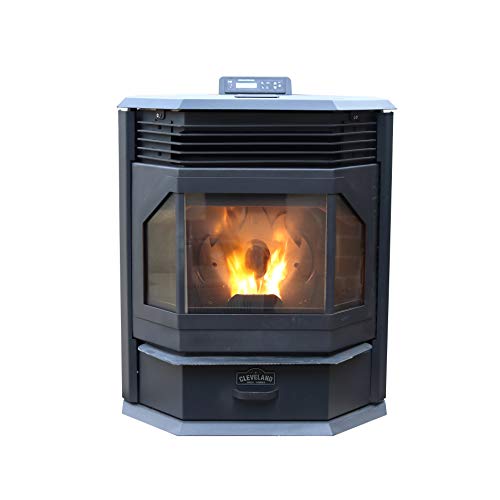 When you are choosing a tiny pellet stove, it is crucial to consider the heating capacity and BTUs. Also, be aware of the area of your home. When it comes to supplemental heat, more isn't always better. The GW1949 Wiseway pellet stove is a fantastic choice for houses that are not grid-connected and up to 2500 square. feet. Its footprint is small of 24 inches wide by 16 inches deep, and can be utilized in mobile homes that have limited rear and side clearance. The Wiseway can also be controlled remotely via a smartphone app which makes it an excellent option for those who live off the grid. Energy efficiency A typical tiny pellet stove has an excellent energy efficiency rating and is ideal for heating a small home. It makes use of a wood pellet fuel source to generate heat, and it has a very low level of pollution from the air. The stove can be used to complement your heating system as an alternative to electric heating. It could also be used as a back-up heating source in case of power outages. A pellet stove offers a number of advantages over other types of heating systems, such as lower operating costs and fewer maintenance requirements. Before you buy a pellet stove, be aware of several important factors. A pellet stove, for instance, requires an electrical outlet in order to run its automated functions like the pellet feeder and the digital control. It also requires an air venting system which is correctly sized and maintained. The kind of pellet stove you select will be based on your budget, heating needs, and the way of life you live. There is a rising demand for small pellet stoves especially as more people are choosing to reside in tiny homes and yurts. These stoves are an ideal choice for small spaces. Many have smart controllers, which allow you to control the stove remotely. The Serenity 12327 model from Castle Pellet Stoves is an excellent choice for those looking for a compact stove with great energy efficiency. When purchasing a stove for a small space, you should also consider the British Thermal Units (BTUs) and the arrangement of your room. An oversized stove is unable to regulate temperature, while the stove that is too small will use up its full capacity too quickly, which will reduce efficiency. It is also important to ensure that the room's airflow is not blocked to avoid drafts and other problems with heating. Small pellet stoves are more efficient than wood-burning stoves since they require less manual work. They can burn pellets with a higher moisture content than wood, which makes them more cost-effective to run and less likely to cause creosote buildup in chimneys. They produce very little dust and require less maintenance than wood-burning stoves. If you're thinking about installing a pellet stove at home, you should consult with an expert to determine the proper size and BTU output. They can assist you in choosing the right stove for your heating requirements and space. They will also ensure that the stove is installed correctly and is in a tight connection to your flue pipe. Method of burning Pellet stoves are made to function as an additional source of heat in homes that do not have chimneys. They're not a replacement for furnaces, but they provide an economical and efficient heating option. They also do not release carbon dioxide or other pollutants into the air making them a safer and cleaner choice than traditional wood stoves. The most common model of pellet stoves is an air-operated model with a fan that circulates warm air throughout the room. They can be set to either generate a powerful breeze or operate at a whisper, depending on your preference. Pellets are small, compacted pieces of recycled materials that provide clean-burning and long-lasting heat. They're an excellent alternative to wood-burning stoves, which require frequent refills of the firewood and can be very costly. The hoppers of pellet stoves are large enough to hold a substantial amount of fuel for several hours, but they are not nearly as large as the hoppers found on propane stoves. The hoppers in these stoves are usually powered by an auger or gravity system. The stoves can deliver pellets to the burner and then ignite them using an electric spark plug made of ceramic. Once the flame appears you can change from automatic feeding to manual control to alter the level of heating. Some models come with a thermostat that shuts down the stove when it has reached the temperature that is desired. This feature reduces energy usage and stops the oven from overheating. Some models have an electronic display that makes it easy to see the power consumption in the room as well as the temperature. Certain models come with a humidifier built in to help reduce smoke. Although used pellet stoves for sale can be excellent as a source of additional heat however, they can be difficult to use in areas of high humidity. In addition, they may produce a lot ash. To avoid this, pick an air conditioner with a removable airport to make cleaning easier. Small pellet stoves can occupy space in your home and require ventilation systems. This can affect the interior design. Work with an experienced installer to determine the most suitable placement options for your stove. Also, you should take measurements of the area where you're planning to put the stove to allow it to be perfectly positioned. It's also recommended to consider other heating options prior to purchasing the pellet stove. Maintenance A well-maintained pellet stove is an important factor in the energy efficiency of your home. It also reduces the chance of carbon monoxide, fire leakage, and malfunctions that could lead to dangerous situations. To avoid costly repairs, you should follow the recommended maintenance steps in the owner's manual. This includes inspecting the ash pan, burner pot, hopper and blower daily for excessive accumulation of ash. It is also recommended to regularly clean the glass on your pellet stove to avoid soot and grime buildup. The manual is available for your pellet stove online or from your local hearth retailer. Vacuum the exhaust pipe, vents and fan regularly and clean the ashpan and blower. This will prevent soot and ash from building up in the vents and pipes, which can stop air flow. A dirty vent could result in gas and smoke leaks, which can be hazardous. Other common maintenance tasks for your pellet stove include daily cleaning of the glass and scraping out the burn pot every few days. This will prevent ash build-up from hindering airflow and reducing heating efficiency. It will also prevent the ash pan from overflowing. If your pellet stove is equipped with a hopper you should keep it clean. The hopper must be clear of any debris that could block the auger or motor. It is crucial to keep the heat exchanger in good condition. It transfers heat from the burning pellets into the air that circulates in your home, and an unclean one won't perform as effectively. A tenth inch of soot could reduce heat transfer by half on metal surfaces. Finally, you should clean the gaskets around your stove's door and your ash pan on a regular basis. Gaskets are what makes your stove airtight. A worn or damaged one can decrease the efficiency of your home. Use a cleaner safe for the gaskets of your stove, such as degreaser. Do not use abrasive cleaners or oven cleaners, as these can mar the finish and cause dangerous fumes.